
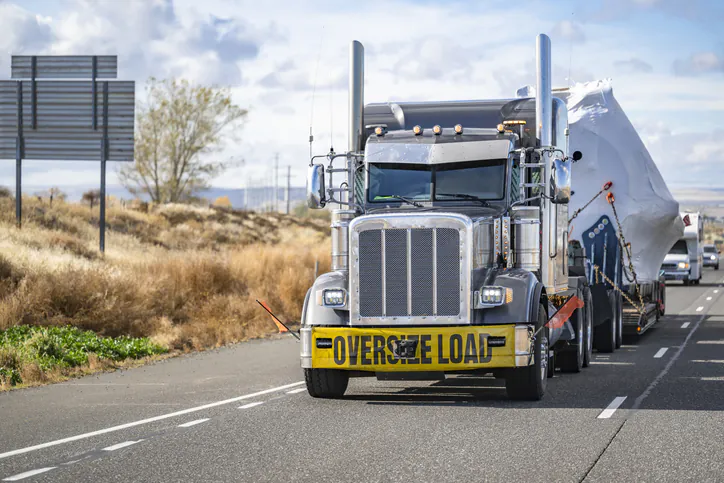
Route survey basics for oversized loads in Canada and the US, covering clearances, turns, detours, and permit-aligned routing
Planning oversized loads starts with one question: can the load physically and legally travel the route that looks “shortest” on a map? For over-dimensional moves, the route is often defined by constraints—bridge ratings, overhead clearances, tight turns, construction zones, and municipal restrictions—plus the conditions written into permits.
A quick definition helps. A route survey is a turn-by-turn review that identifies restrictions and risks along the path, so the move can be planned around them (not surprised by them). The deliverable is usually a practical “game plan” that supports permit routing, staging choices, and contingency planning.
Why Route Surveys Matter for Oversized Loads
Even within Canada, oversize/overweight rules and approvals are largely handled by provinces and territories, and local road authorities can also apply restrictions. That means route suitability depends on the specific corridor, the equipment configuration, and sometimes the time of year.
Route surveys also protect schedules. Ontario’s official single-trip oversize/overweight permit instructions note that carriers must apply at least 3 business days before the move date (and suggest applying 5 business days in advance). A late route change can force rework on permits and timelines—especially if the route was part of the permit request.
What A Strong Route Survey Checks
A practical route survey for oversized loads usually focuses on five areas:
1) Vertical clearance
Confirm bridge heights, overhead utilities, signs, and any known low points. Trailer deck height and load blocking can change total height, so the survey should reflect the loaded configuration, not just cargo dimensions.
2) Weight and bridge constraints
Heavy haul moves often require engineering review of route and weights. British Columbia’s Commercial Transport Procedures Manual describes structural engineering evaluation for overload requests, including route and weight assessment.
3) Turning geometry and access
Tight corners, roundabouts, narrow gates, and approach angles can block a move even when dimensions “seem fine.” The survey should identify pinch points and specify manoeuvres or alternate turns.
4) Temporary conditions and detours
Construction zones and short-notice closures can break a planned route. The survey should note known work zones and identify detour options that still meet clearance and weight needs.
5) Staging and safe stop locations
Oversize moves may need planned pull-offs, escort coordination points, or safe areas for checks. Good surveys include these operational details so the move doesn’t improvise on the shoulder.
How Permits and Route Surveys Connect (Especially Cross-Border)
In British Columbia, the provincial program lists permit types including single-trip oversize and oversize/overweight permits, with some permits available immediately online depending on commodity and dimensions—while more complex moves can require additional review. That’s a strong reminder that routing complexity and load characteristics can change approval time and conditions.
For Canada–US moves, permitting is handled by provinces/territories in Canada and by states in the US (not the federal government). Route surveys help keep both sides aligned, especially when the “best” crossing and corridor differs by rules and road realities.
FAQ
Not always, but route surveys become important when clearances, bridge weights, tight turns, escorts, or permit routing conditions could affect feasibility. They are especially useful for unfamiliar lanes or jobsite deliveries.
Ontario’s single-trip oversize/overweight permit instructions say carriers must apply at least 3 business days before the move date (and suggest 5). Routing should be confirmed before applying so permit details don’t need rework.
Permits are issued at the state level; the federal government does not issue oversize/overweight permits. That’s why cross-border route planning needs a “two rulebooks” mindset.
Next Steps for Readers Planning an Oversize Move
For a practical overview of how oversize freight is planned end to end, read our Guide to Over Dimensional Shipping
For equipment, routing, and coordination details, review our service page.
When a shipment scope is defined (dimensions, weight, lanes, and timing), request a quote.