
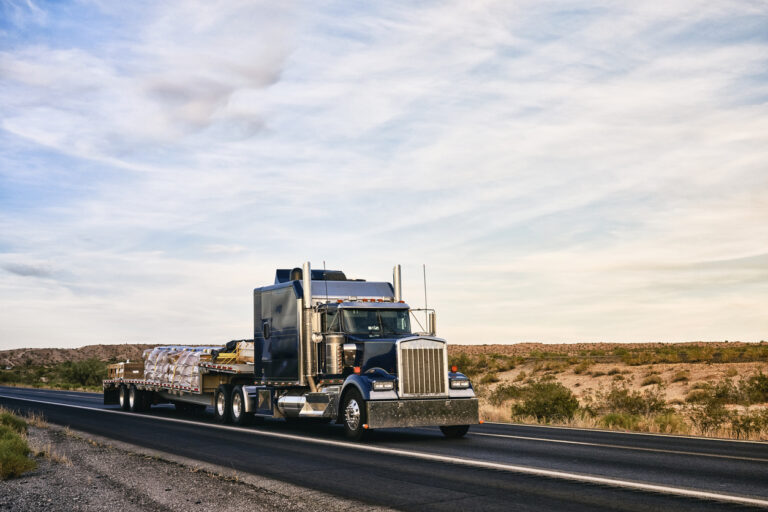
Learn how the flatbed shipping permit process works for cross-border shipments between Canada and the USA to keep your freight moving smoothly.
When you’re shipping oversized or heavy freight using flatbeds across the Canada / U.S. border you’re dealing with more than just moving materials from A to B. You’re managing permits flatbed shipping rules, customs requirements and special coordination that many standard loads never encounter. Here are four key points decision makers should watch.
Understand permit requirements for flatbed transport
When a load goes wider, taller or heavier than standard then flatbed shipping permit rules kick in. Provinces and U.S. states each have their own width, length and weight limits for flatbed trailers. For cross-border moves you’ll need to align both Canadian and U.S. jurisdictions. Freedom Heavy Haul+1 Some examples:
- A trailer load measuring beyond standard width may require an escort vehicle or special signage.
- Moves through certain provinces during thaw periods may be restricted or require alternate routes.
- Paperwork and route-planning must include local road, bridge and season restrictions.
Having the correct permit before departure reduces the risk of delays, fines or reroutes that undermine schedule reliability.
Prepare documentation, customs and border details
Beyond the physical trailer and load size the shipment must be documented properly. For cross-border flatbed shipments the usual permits are joined by customs forms and clearance systems. Make sure you account for:
- A valid Bill of Lading, customs invoice and certificate of origin (if applicable)
- The correct permit filings for the oversized load itself—in both origin and destination jurisdictions
- Routing and border wait time planning so you don’t lose time at crossings
- Verification that your carrier or logistics partner has experience with oversized flatbed loads across the border
These steps help ensure the flatbed load gets across smoothly and maintains your schedule.
Coordinate logistics and load preparation for oversized flatbed loads
When you’re shipping oversized flatbed loads you’re not dealing with a standard trailer. The preparation must be more rigorous. You should:
- Confirm load dimensions, weight, height, width well in advance so the proper trailer and permit can be chosen
- Use a trailer type suited to the load—flatbed, step deck, double drop, or other specialized asset
- Secure the freight properly for open-deck transport and ensure tarping, load stability and weather exposure are addressed
- Plan route with the carrier, including any restricted roads, time-of-day limitations or provincial/state rules
Because flatbed loads expose freight to the elements and often traverse remote or complex routes, proper planning and coordination make the difference.
Partner with logistics providers who understand cross-border flatbed operations
When the load is outside standard dimensions or goes across the border, you want more than a basic carrier. You want a network with expertise in oversized, open-deck freight and customs. The right partner will:
- Understand flatbed shipping permit rules across both countries
- Provide personal attention from dedicated account managers rather than a one-size-fits-all service
- Offer flexibility to ship large, unique or irregular loads and adapt as your needs grow
Choosing a partner with that mindset is critical.
Cross-border flatbed shipping involves many moving parts—from permits and customs to trailers and route planning. But when you get it right you unlock the ability to ship almost anything, anywhere.
At ShipNorthAmerica our member companies share a philosophy of personal attention and high standards. We help you ship anything, anywhere it needs to go and meet every need while exceeding expectations.
To learn more about flatbed shipping in Canada and the U.S. read our full Flatbed Shipping Guide – or visit our Member Companies page.