

Learn how flatbed shipping works with this guide for Canadian and American businesses including benefits, uses, and best practices.
For companies that need to move oversized or irregular freight, flatbed shipping is one of the most practical solutions available. Unlike enclosed trailers, flatbeds are designed to carry loads that don’t fit neatly into standard containers. Whether you’re shipping construction materials, heavy machinery, or large equipment across Canada and into the USA, flatbed shipping provides the flexibility your business needs.
This guide covers:
- How Flatbed Shipping works
- The key benefits to flatbed shipping
- Best practices for planning and managing flatbed shipments
- Flatbed Shipping in Canada and Cross-Border Operations
- Flatbed shipping FAQ & Resources
By the end, decision makers will have a clear understanding of how flatbed freight fits into their logistics strategy and what steps they can take to streamline shipping operations.
Why Businesses Need Flatbed Shipping
Moving freight across Canada and the United States is rarely simple. The geography is vast, routes are long, and shipments often have unique requirements. While standard trailers work well for boxed goods, palletized items, or temperature-sensitive freight, many companies face a different problem: how to move oversized, bulky, or irregular freight safely and efficiently.
This is where flatbed shipping steps in. Flatbeds allow businesses to transport cargo that would otherwise be too tall, wide, or heavy for enclosed trailers. From steel beams to industrial machinery, flatbeds give companies the flexibility to move goods that keep projects running and industries supplied.
The challenge for businesses lies in understanding when flatbed shipping is the right solution, what risks to prepare for, and how to plan shipments to avoid costly mistakes. That’s why a detailed flatbed shipping guide is so valuable—it helps decision makers see the big picture before freight ever hits the road.
1. How Flatbed Shipping Works
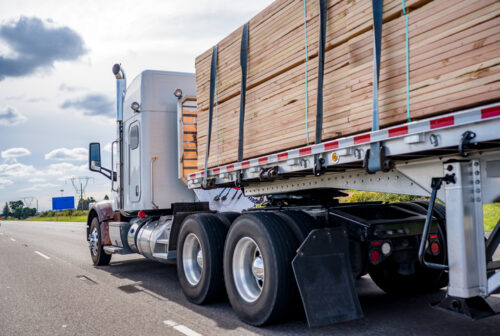
Flatbed shipping is a method of transporting freight on an open trailer without walls or a roof. These trailers are built to handle oversized or heavy cargo that cannot fit inside standard dry vans. Freight is typically secured using straps, chains, or tarps to protect it during transport.
Key types of flatbed trailers include:
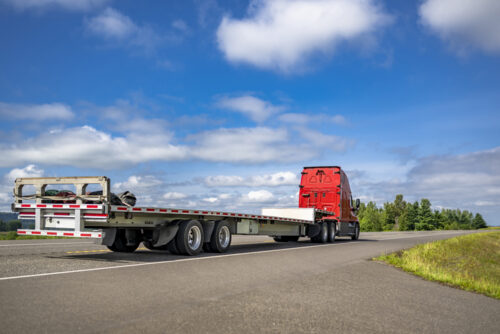
- Standard flatbeds: The most common option, versatile for many oversized loads.
- Step decks (drop decks): Trailers with two levels to accommodate taller freight.
- Double drop trailers: Designed for extremely tall or heavy equipment.
- Extendable flatbeds: Stretchable trailers for extra-long loads like wind turbine blades.
Flatbeds are essential for industries that deal with oversized freight. They support:
- Construction projects requiring beams, pipes, or lumber
- Energy and resource sectors shipping turbines, oilfield equipment, or transformers
- Manufacturing plants moving large machinery or parts
- Agriculture and farming equipment deliveries
- Infrastructure projects requiring oversized materials
The flexibility of flatbed shipping ensures businesses aren’t limited by freight dimensions or special equipment needs. Want to know more about when to employ a flatbed truck?

2. Key Benefits of Flatbed Shipping
Companies across Canada and the United States rely on flatbed shipping because it solves problems that other transport methods can’t. The open-deck design makes flatbeds adaptable for industries with oversized, heavy, or unusually shaped freight.
Versatility
Flatbeds can carry freight of almost any dimension, shape, or weight. From steel coils and concrete pipes to wind turbine blades, their flexibility makes them the go-to choice for specialized cargo. Businesses don’t need to worry about whether their freight will fit through a trailer door or inside enclosed walls—the open design removes those limits.
Accessibility
Unlike enclosed trailers, flatbeds allow freight to be loaded from the top, sides, or rear. This flexibility reduces handling challenges and gives shippers more options at both the origin and destination. Cranes, forklifts, and other heavy equipment can easily place goods directly on the trailer, saving time compared to navigating enclosed spaces.
Capacity
Flatbeds are particularly useful when freight is too wide, too tall, or too heavy for a standard dry van. Large shipments, such as prefabricated building materials or industrial machinery, can be transported without the need to break them into smaller loads. This reduces the risk of losing or damaging components and ensures the shipment arrives intact.
Efficiency
Because freight can be moved in one piece, companies avoid the costly and time-consuming process of dismantling equipment or splitting materials into multiple loads. For industries like construction, where every hour of downtime can delay a project, flatbed efficiency directly impacts productivity.
Reliability
Flatbeds are ideal for industries that run on tight project timelines. Whether it’s delivering beams to a construction site or machinery to a manufacturing plant, having a dedicated and appropriately equipped trailer ensures cargo arrives on schedule. With fewer restrictions on freight type, flatbed carriers provide businesses with reliable solutions when standard trailers aren’t an option.
Together, these advantages make flatbed shipping a cornerstone of North American freight movement, especially in industries where large-scale projects depend on timely delivery of oversized goods.
3. Planning and Management of Flatbed Shipments
Factors That Influence Flatbed Shipping
Several factors affect how flatbed freight is managed:
- Load size and dimensions: Oversized loads may require permits.
- Route planning: Bridges, tunnels, and road restrictions must be considered.
- Weather: Open trailers mean exposure to rain, snow, and wind, requiring proper tarping.
- Loading requirements: Some freight needs cranes or forklifts to be properly secured.
- Cross-border compliance: Paperwork, customs clearance, and regulatory checks add complexity for Canada–U.S. shipments.
Best Practices for Flatbed Shipping
To ensure safe and efficient flatbed shipments, businesses should:
- Plan ahead: Secure permits early for oversized freight.
- Communicate requirements: Share load dimensions, weights, and equipment needs with carriers.
- Use proper equipment: Tarps, chains, and straps should meet safety standards.
- Track shipments: Real-time visibility helps ensure deadlines are met.
- Partner with experienced carriers: Knowledge of flatbed operations is key for avoiding delays or safety issues.
Looking for more information about flatbed truck sizes?
4. Flatbed Shipping in Canada and Cross-Border Operations
Canada’s shipping environment presents unique challenges:
- Long distances between urban centers
- Harsh winter weather conditions
- Remote project sites for energy, mining, and construction
Flatbed shipping provides flexibility to overcome these issues by moving freight that would otherwise be impossible to transport.
When shipping cross-border into the U.S., businesses must also account for:
- Customs documentation (commercial invoices, certificates of origin, etc.)
- Compliance with safety and equipment standards in both countries
- Timely scheduling to avoid delays at ports of entry
Industries like energy, agriculture, and construction rely heavily on cross-border flatbed shipping to keep supply chains flowing.
WANT TO LEARN MORE ABOUT FLATBED SHIPPING?
- Flatbed vs. Dry Van Shipping
- How to Prepare Oversized Loads for Flatbed Transport
- Cross-Border Flatbed Shipping
- Safety and Securement Standards for Flatbed Freight
5. Flatbed Shipping FAQ and Resources
Here are some questions we often get asked about flatbed shipping.
Q. What is flatbed shipping?
A. Flatbed shipping uses open trailers to transport oversized or irregular freight that won’t fit in enclosed trailers.
Q. What types of freight need flatbed shipping?
A. Construction materials, heavy machinery, large equipment, and agricultural machinery often require flatbeds.
Q. Can flatbed trailers handle cross-border shipments?
A. Yes. Flatbed freight moves regularly between Canada and the U.S., provided customs paperwork is complete.
Q. How is freight secured on a flatbed trailer?
A. Using straps, chains, and tarps to keep loads stable and protected from the elements.
Q. What industries rely most on flatbed shipping?
A. Construction, manufacturing, agriculture, energy, and infrastructure are among the largest users.
Other Resources
Need quick reference guides or handy tools for your shipments? Check out these helpful resources:
- Shipping Terms Wiki – Unsure about a freight term or acronym? Our comprehensive glossary explains a range of customs, trucking and shipping terms.
- Shipping Documents – Download standard bills of lading, packing lists, and other essential forms.
- Shipping Label Template – Ensure proper labeling with our ready-to-use template.
Bookmark these tools to streamline your shipping process.

How ShipNorthAmerica Supports Flatbed Shipping
Flatbed shipping is an essential solution for companies that need to move oversized, heavy, or irregular freight across Canada and into the United States. With the ability to handle a wide range of industries and projects, flatbeds provide the versatility, efficiency, and reliability that businesses require.
At ShipNorthAmerica, our member companies believe in personal service and consistent performance. We provide freight solutions that don’t limit opportunities but help them grow. From bulk loads to oversized equipment, our network ensures every shipment meets your needs and exceeds expectations.