
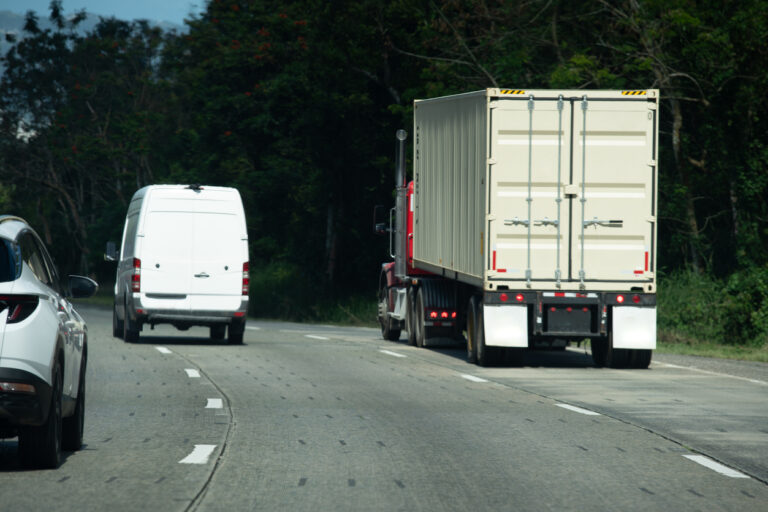
Learn the differences in flatbed vs dry van shipping and how each option supports Canadian freight needs.
Shipping across Canada means choosing the right equipment for the freight you move. For many businesses the decision often comes down to flatbed vs dry van trailers. Each option has strengths and each one works better for certain types of cargo. Understanding the differences helps decision makers choose the safest, most reliable and most efficient method for their operations.
This article outlines the key points to consider.
Understanding what each trailer is designed for
Dry vans are the most familiar trailers on the road. They are enclosed and protect freight from weather and road debris. Companies use dry vans for boxed goods, pallets and materials that must stay clean and secure inside a closed trailer.
Flatbeds work differently. They are open deck trailers designed to carry freight that cannot fit inside walls or through doors. They support oversized machinery, long construction materials and heavy industrial items. When deciding on flatbed vs dry van options it helps to understand the strengths of each.
Knowing when to choose a dry van trailer
A dry van is the right fit when your freight needs full protection during transport. Dry vans are enclosed which means weather changes or winter road conditions will not affect your load. They are ideal for:
- Palletized goods
- Consumer products
- Packaged materials
- General freight that must stay clean and covered
Dry vans also offer consistent capacity and simple loading at most warehouse docks. For standard freight with regular dimensions a dry van is often the most practical solution.
Knowing when a flatbed is the better choice
Flatbeds support freight that is large, heavy or irregular. If the shipment is too tall or too wide for a dry van or if it needs to be loaded by crane then a flatbed is usually the better option. Flatbeds work well for:
- Structural steel
- Heavy equipment
- Long materials like pipes or beams
- Machinery that cannot be dismantled
Because flatbeds are open they are easier to load from the top or the sides. This saves time and allows the freight to remain intact. For businesses that deal with oversized materials the choice of flatbed vs dry van is clear because only a flatbed can handle those dimensions.
Considering your route, weather and timelines
Canada’s long distances and changing weather should also be part of your decision. Dry vans protect freight from rain, snow and debris during transport. Flatbeds expose freight to the elements so shipments may need tarping or special planning to manage weather conditions.
Timelines also matter. For oversized freight that cannot be split into smaller pieces a flatbed reduces extra handling. This helps keep projects on schedule especially in industries like construction, manufacturing or energy.
If you want a deeper look at how flatbed trailers support oversized freight you can explore our full Flatbed Shipping Guide which explains the types of trailers, common industries and best practices for open deck transport.
Matching your shipping needs to the right equipment
Choosing between flatbed vs dry van is not about which one is better overall. It is about matching the equipment to the freight. Think about how sensitive the cargo is how it must be loaded and whether protection from weather is needed. Also consider the pick up and delivery locations. Some job sites do not have docks which makes flatbeds the easier choice.
No matter which trailer you need your logistics partner should help you understand the requirements and support your team from planning to delivery. ShipNorthAmerica’s member companies focus on personal attention and consistent performance. We can help you ship anything anywhere it needs to go whether it is standard dry van freight or specialized flatbed cargo.
You can contact us today or request a quote.