
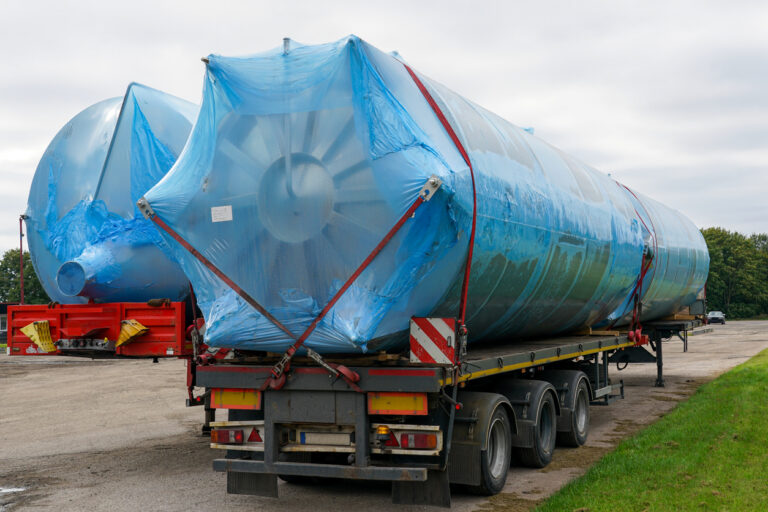
Learn how to protect dry bulk materials from weather and contamination during long-distance ground transport in Canada.
Keeping dry bulk freight in good condition requires careful planning. Loose materials are exposed during transport, which means weather and contamination can affect quality, weight, and usability. For decision makers managing long-distance shipments, knowing how to protect dry bulk materials helps reduce waste, avoid delays, and maintain consistent delivery standards across Canada.
Below are four key areas to focus on when safeguarding bulk freight.
Control moisture from loading to delivery
Moisture is one of the biggest risks in dry bulk shipping. Rain, snow, and humidity can change material weight and make products harder to unload or use. Some materials may clump, freeze, or lose value when exposed to moisture.
Protection starts at the loading site. Trailers should be clean and dry before loading begins. If materials are sensitive, loading should be paused during heavy rain or snow. Planning routes and schedules with weather forecasts in mind also helps protect dry bulk materials throughout the trip.
Use tarping methods that match the material
Tarps are a primary defence against weather exposure. Not all tarps work the same way, and choosing the right one matters. Heavy-duty tarps provide better protection for long hauls and harsh conditions, while lighter covers may suit short distances or less sensitive materials.
Tarps should be secured tightly to prevent wind damage and shifting during transit. Loose or damaged tarps can allow moisture in and create safety risks. Proper tarping is one of the most effective ways to protect dry bulk materials during open-deck transport.
Prepare for winter transport challenges
Canadian winters introduce extra risks for dry bulk freight. Snow and ice can affect both the material and unloading process. Wet material may freeze inside the trailer, slowing discharge or requiring extra handling.
Winter preparation includes keeping tarps sealed, monitoring temperatures, and ensuring unloading sites are clear of ice. Drivers and site teams should communicate clearly about conditions to protect dry bulk materials and maintain safe operations.
Prevent contamination during long-distance travel
Contamination can occur if trailers are not properly cleaned between loads or if materials are exposed to debris and dust. Even small amounts of residue can affect product quality, especially for agricultural or manufacturing materials.
Maintaining clean trailers and controlled unloading areas helps preserve material integrity. Clear procedures reduce the risk of cross-contamination and support consistent quality when businesses protect dry bulk materials across long distances.
Dry bulk shipping supports construction, agriculture, manufacturing, and many other industries. Protecting material quality requires attention to weather, equipment, and process at every stage of transport.
To learn more about dry bulk shipping best practices, read our latest shipping guide.
At ShipNorthAmerica, our member companies focus on personal attention and dependable service. We help businesses ship anything, anywhere it needs to go while meeting every need and exceeding expectations.
Contact us to request a quote or visit our Member Companies page –>