
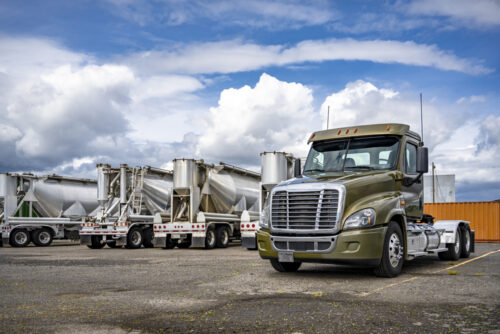
Learn how dry bulk shipping works with this bulk shipping guide for Canadian and American businesses that move loose materials by truck.
From construction aggregates to agricultural products, dry bulk freight supports industries that keep infrastructure, manufacturing and supply chains running. Because these materials move in large volumes and are not packaged or palletized, they require specialised equipment and careful planning.
This bulk shipping guide explains how dry bulk transport works and the key considerations that decision makers should keep in mind. In the sections below we explore
- The challenges businesses face when moving bulk freight across long distances
- What dry bulk shipping includes and the materials most commonly transported
- How dry bulk shipping works including equipment, securement, loading and unloading
- Answers to common questions that businesses often ask
By the end of this guide you will have a clear understanding of how dry bulk shipping works and how to choose the best approach for your operations.
1. The challenges businesses face when moving bulk freight across long distances
Dry bulk freight is essential in agriculture, construction, manufacturing, plastics, mining and many other industries. Unlike palletised goods that fit neatly into closed trailers, dry bulk materials are loose. They must be loaded directly into a trailer and transported without packaging. This creates unique challenges that require specialised processes and equipment.
Canada’s geography adds complexity. Bulk freight often moves over long distances through different provinces with varied weight limits and road conditions. Winter weather impacts traction, weight distribution and overall travel safety. Many materials are sensitive to moisture and must be protected during transport.
Even the loading and unloading environments can be challenging. Some job sites have limited space, uneven ground or no formal infrastructure. Dry bulk materials can also settle or shift which affects weight balance. If freight is not loaded properly it may lead to delays, safety issues or product loss.
A strong bulk shipping guide helps companies understand the equipment choices, site requirements, safety standards and coordination needed to ensure shipments move efficiently and safely.

2. What dry bulk shipping includes and the materials most commonly transported
2.1 What dry bulk shipping includes
Dry bulk freight refers to loose, unpackaged materials that are transported in large volumes. These materials are not boxed or bagged. Instead they are loaded directly into a trailer. Common examples include:
- Sand
- Gravel
- Grain
- Salt
- Limestone
- Soil and aggregates
- Pellets and granules
- Minerals and powders
Dry bulk materials can be heavy, abrasive, dusty or sensitive to moisture. This is why every bulk shipping guide emphasises proper containment, equipment selection and loading procedures.
2.2 Equipment used in dry bulk transport
Different materials require different trailers. Choosing the right trailer ensures safety, efficiency and product protection.
Dump trailers
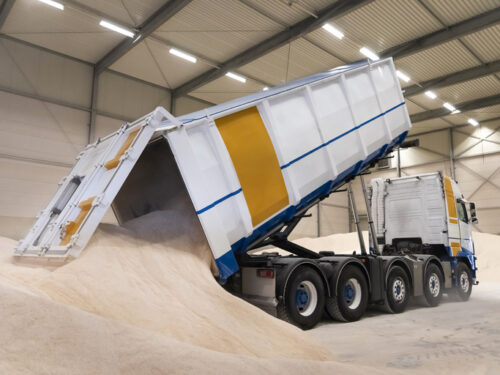
These are commonly used for aggregates, gravel, soil and stone. They unload by raising the bed so the material slides out. Dump trailers require overhead clearance and level ground at the unload site.
Live bottom trailers
These use a conveyor belt to move material out the back. Live bottom trailers are ideal when the unload site has limited space or when stability is important. They work well for sand, gravel and some agricultural products.
Hopper bottom trailers
These trailers have gravity-fed hoppers that release material through bottom doors. They are often used for grain, seed and other agricultural loads that flow easily.
Belt trailers
Belt trailers use a moving floor to unload material. They are effective for mulch, compost, lightweight aggregates and a variety of dry bulk goods.
Each trailer offers benefits depending on the freight characteristics. Trailer selection is one of the most important steps in planning any dry bulk shipment.
2.3 Weight, volume and compliance requirements
Dry bulk materials often reach weight limits before they fill the physical space of a trailer. Understanding density helps shippers calculate safe and legal loads. Proper weight distribution across axles is essential for safe handling and compliance with federal, provincial and state rules.
Key considerations include:
- Verifying axle weight limits
- Using scale tickets to confirm weight at loading
- Planning routes that allow for legal weight movement
- Adjusting weight distribution across the trailer
- Understanding seasonal road restrictions
Overloaded or unevenly balanced trailers can create hazards or lead to delays. A well-designed bulk shipping guide always emphasises weight planning and regulatory compliance.
2.4 Loading and unloading best practices
Loading loose material requires care and attention. Before loading begins drivers and site
teams should confirm the material type, moisture levels and weight expectations. The trailer must be clean and free of material that could contaminate the load.
Best practices include:
- Loading evenly from front to back
- Avoiding high mounds that shift during travel
- Keeping material below the trailer edges
- Using tarps when material is sensitive to moisture
- Communicating clearly between loader operators and drivers
Unloading methods depend on the trailer type. Dump trailers unload quickly through tipping while live bottom, hopper and belt trailers unload through controlled flow. Good communication helps ensure the trailer is positioned safely and that the ground conditions support unloading.
2.5 Weather and environmental considerations
Weather affects both safety and product quality. Moisture can change the weight, density or usability of some dry bulk materials. This means shippers must:
- Use tarps or covers when required
- Plan travel to avoid severe weather when possible
- Consider how winter road conditions impact weight and traction
- Maintain drainage and ground stability at loading and unloading sites
Drivers must also adjust for wind, snow, ice and rain. Seasonal changes can affect road availability, travel time and the ability to unload at the destination.
2.6 Cross-border dry bulk shipping
Dry bulk materials often move between Canada and the United States. Cross-border shipments require accurate documentation and clear commodity descriptions. This includes:
- Bills of lading
- Export or import declarations
- Material descriptions and codes
- Weight and volume records
Agricultural materials may require additional certification. Border teams look for accurate paperwork, clean trailers and clear load descriptions. Working with partners experienced in cross-border dry bulk shipping reduces delays and ensures compliance.
3. How dry bulk shipping works including equipment, securement, loading and unloading
3.1 Industries that depend on dry bulk transport
Many industries rely on dry bulk shipping, including:
- Construction, which depends on aggregates, gravel, sand, and stone
- Agriculture, which relies on efficient movement of grain and seed
- Plastics manufacturing, which uses pellets and resins
- Mining and minerals, which move raw materials for processing
- Landscaping and infrastructure projects that require soil and other bulk materials
These industries often run on tight schedules. Reliable dry bulk shipping helps ensure projects stay on track.
3.2 Sustainability in bulk shipping
Dry bulk shipping naturally reduces packaging waste since materials are moved without bags, boxes or pallets. Companies can further support sustainability by:
- Optimising routes
- Using modern equipment with reduced emissions
- Reducing empty miles
- Matching trailer type to material to reduce fuel use
- Minimising material loss during loading and unloading
A strong sustainability plan reduces both environmental impact and operational waste.
3.3 Risk management and safety for bulk freight
Risk management is essential for dry bulk transport. Loose materials can shift, which affects stability. Trailers must be inspected before trips, and drivers should complete periodic checks.
Important steps include:
- Verifying load distribution
- Ensuring tarps are fastened securely
- Using the correct trailer for the material
- Planning routes for safe grades and turns
- Communicating clearly between drivers and site teams
A successful bulk shipping guide helps companies build processes that prioritise safe transport.
3.4 Selecting the right trailer for dry bulk materials
Choosing the right trailer affects unloading time, material quality, and safety. Businesses should consider:
- Material density
- Moisture sensitivity
- Flow characteristics
- Unloading environment
- Site access
- Height and weight clearance
Trailer selection is one of the simplest and most effective ways to improve efficiency.
3.5 How weather impacts bulk freight movement
Weather affects trip planning, product protection, and safety. Snow and ice slow travel, while rain can damage materials. High winds affect driving stability, especially with trailers that have high centres of gravity when raised for unloading. Planning around weather helps protect both the material and the driver.
WANT TO LEARN MORE ABOUT DRY BULK SHIPPING?
- How to Choose the Right Trailer for Dry Bulk Materials
- Best Practices for Loading and Unloading Dry Bulk Freight
- Managing Weight, Density, and Compliance in Bulk Transport
- How to Protect Dry Bulk Materials During Transport
4. Quick FAQ
Q. What is considered dry bulk freight?
A. Dry bulk freight is any loose material transported without packaging, such as sand, gravel, grain, minerals, or pellets.
Q. What trailers are used for dry bulk shipping?
A. Common trailers include dump trailers, hopper bottoms, live bottoms, and belt trailer,s depending on the material and unloading needs.
Q. How do you protect dry bulk materials from weather?
A. Tarps, sealed trailers, and controlled loading practices help keep moisture out and protect product quality.
Q. Can dry bulk shipments move across the Canada-US border?
A. Yes. Cross-border bulk shipping requires accurate paperwork, commodity descriptions, and compliance with import or export rules.
Q. What industries rely most on dry bulk shipping?
A. Construction, agriculture, energy, mining, plastics, and infrastructure all depend heavily on dry bulk transport.
Other Resources
Need quick reference guides or handy tools for your shipments? Check out these helpful resources:
- Shipping Terms Wiki – Unsure about a freight term or acronym? Our comprehensive glossary explains a range of customs, trucking, and shipping terms.
- Shipping Documents – Download standard bills of lading, packing lists, and other essential forms.
- Shipping Label Template – Ensure proper labeling with our ready-to-use template.
Bookmark these tools to streamline your shipping process.
How ShipNorthAmerica Supports Dry Bulk Shipping
ShipNorthAmerica’s network of member companies specializes in creating tailored shipping solutions that help you streamline your shipping process. Here’s how we support your dry bulk shipping needs:
- Tailored Solutions: We understand that every business has unique shipping requirements. That’s why we work with you to develop shipping strategies that meet your specific goals, whether it’s managing one skid or coordinating complex multi-point deliveries.
- Experienced Team: Our account managers bring years of trucking experience to the table. Their expertise ensures that your shipments are handled with precision, from pickup to delivery.
- Advanced Logistics Planning: We use advanced logistics tools to plan efficient routes, consolidate shipments, and optimize delivery schedules, ensuring cost savings and timely deliveries.
Dry bulk shipping plays an essential role in supporting construction, agriculture, energy, and many other industries across Canada and the United States. Moving loose materials requires specialized equipment, careful planning, and strong communication between shippers, carriers, and delivery sites. When businesses understand how dry bulk transport works and follow best practices, they improve safety, efficiency, and freight quality.